

How to tell if your suspension system needs repair
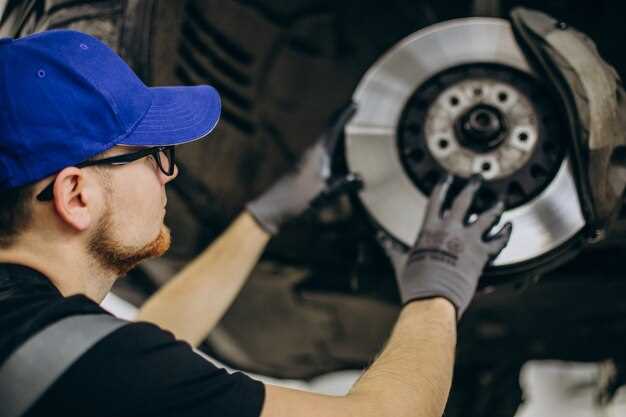
Your vehicle’s suspension system plays a crucial role in ensuring a smooth and safe ride. It not only supports the weight of your car but also absorbs shocks from the road, providing stability and control. Over time, components of the suspension can wear out, leading to potential safety hazards. Being able to recognize the signs that indicate your suspension system needs repair is essential for maintaining your vehicle’s performance.
Regularly checking your vehicle for symptoms of suspension issues can prevent minor problems from escalating into significant repairs. Common indicators include unusual noises such as squeaking or clunking while driving, uneven tire wear, or a bumpy ride that wasn’t there before. If you notice any of these signs, it’s vital to take action promptly.
Understanding these signs and knowing when to check your suspension system can save you time and money in the long run. In this article, we will explore the various signs that indicate your suspension may require immediate attention and how to address them effectively.
Identifying Unusual Noises from Your Suspension
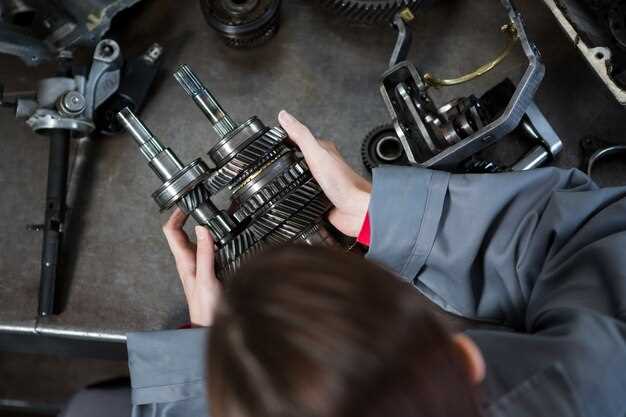
Unusual noises from your suspension system can be significant indicators that something is amiss. Common sounds include clunks, squeaks, and rattles. Each of these symptoms can point towards specific issues that require immediate attention.
If you hear clunking noises when driving over bumps or uneven surfaces, it may indicate loose or damaged components such as struts or sway bar links. These parts play a crucial role in the stability of your vehicle, and failure to address them can lead to further mechanical problems.
Squeaking or creaking sounds, particularly during turns or when going over speed bumps, often suggest that bushings or joints may need lubrication or replacement. Regularly checking these components can help prevent excessive wear and tear, ensuring a smoother ride.
Rattling noises, especially when driving on a smooth road, can often be attributed to worn-out shock absorbers or struts. These components are vital for controlling your vehicle’s ride comfort and stability. If you notice any rattling, it’s essential to check your suspension system as soon as possible.
In summary, being aware of the signs associated with strange noises from your suspension is crucial. Regular checks and prompt action can ensure your vehicle remains safe and comfortable to drive, preventing minor issues from escalating into major repairs.
Recognizing Changes in Vehicle Handling and Stability
One of the primary signs that your suspension system may need attention is a noticeable change in vehicle handling. If you experience excessive body roll while turning or feel like your vehicle sways more than usual, it is essential to check the suspension components. This instability can lead to decreased control and increased risk while driving.
Another crucial indicator is how the vehicle responds to bumps and uneven surfaces. A well-functioning suspension system should absorb shock effectively. If you notice that your car bounces excessively after hitting a bump or feels harsher than before, it could mean that your suspension is failing. Take the time to check for signs of wear or damage.
Additionally, pay attention to any unanticipated changes in steering response. If your vehicle seems to drift or pull to one side, this could indicate a suspension issue that requires immediate evaluation. An imbalance in the suspension can significantly affect stability, making it harder to maintain a straight path. Regularly check your suspension for any irregularities to ensure safe driving.
Finally, be aware of unusual tire wear patterns. Uneven tire wear can often be attributed to a malfunctioning suspension system. If you notice any signs of irregular wear, it’s advisable to have a professional inspect the suspension. Taking these proactive steps can help maintain optimal vehicle handling and safety on the road.
Observing Uneven Tire Wear Patterns
Uneven tire wear patterns can be a clear indication that your suspension system requires attention. It is essential to check your tires regularly for signs of uneven wear, such as balding on one side or excessive wear in the center or edges of the tread. These patterns often suggest that the vehicle’s alignment or suspension components are compromised, affecting the contact between the tires and the road.
If you notice uneven wear, it’s crucial to inspect your suspension system for any signs of damage or wear. Components such as shocks, struts, and control arms may need repair or replacement to restore proper vehicle handling and ride quality. Ignoring these signs can lead to further tire damage and potentially unsafe driving conditions.
Regular maintenance, including tire rotation and alignment checks, will help prolong the life of your tires and ensure optimal performance. If you observe any unusual wear patterns, make it a priority to check your suspension system and address any issues promptly to prevent costly repairs in the future.